In a move that has triggered shockwaves across global immigrant communities, the United States has temporarily suspended some of its most critical immigration services green card applications, naturalisation interviews, and even citizenship oath ceremonies for nationals belonging to 19 countries. The news has already caused anxiety at immigration law firms, community centres, and among thousands of families who had been waiting years for their documentation to finally be processed.
The freeze, which has gone into effect without prior notice, is being described by immigration attorneys as one of the most sweeping policy halts in recent American history. At the centre of this decision lies an incident that took the country by surprise a shooting outside the White House carried out by an Afghan national who had previously been granted asylum.
Following the incident, the US administration intensified its stance on national security and introduced what officials are calling a “vetting expansion phase.” In simple terms, this means tougher scrutiny, stricter background checks, and temporary suspension of all immigration benefits for people from the 19 countries on the 2025 travel-ban list.
While the White House insists that the move is temporary, there has been no timeline released yet leaving thousands of families uncertain about their future.
Why Has the US Implemented This Freeze?
 According to government officials, the idea behind the freeze is simple: pause immigration benefits from countries considered high-risk until the vetting process is tightened further. But beneath that straightforward explanation lies a political and security narrative that is far more complex.
The recent shooting incident triggered an internal review of how asylum seekers and applicants from conflict-ridden nations are screened. Officials have publicly stated that “citizenship is not a right but a privilege,” and that the government only wants to allow “the best of the best” from the affected countries.
This language is not new every few years, the US government shifts the balance between welcoming immigrants and tightening borders, depending on political priorities. But what makes this freeze unprecedented is the sheer scale of people affected in one go.
Thousands of immigrants who had been preparing their documents, attending interviews, or waiting for final approval letters suddenly found themselves stuck in bureaucratic limbo.
What Exactly Has Been Suspended?
The freeze covers multiple stages of the immigration process, some of which people wait years to reach. Here’s a closer look at what has stopped:
1. Green Card and Adjustment-of-Status Interviews
This is the interview most applicants consider the “final step.” Reaching this stage often means years of paperwork, background checks, and approval notices. But overnight, many of these interviews were cancelled.
Applicants received emails stating that their appointments were “indefinitely postponed,” without any clarity about when they might be rescheduled.
2. Naturalisation Oath Ceremonies
This decision has perhaps caused the most emotional backlash.
Imagine someone who has passed every test, completed all the paperwork, cleared security checks, and is standing one step away from becoming a US citizen—only to be informed that the oath ceremony is suspended.
Many applicants described it as “having the finish line removed just as they were about to cross it.”
3. Asylum Approvals and Re-evaluation of Past Asylum Cases
This part of the freeze has created widespread fear among asylum seekers.
Not only are new asylum applications being paused cases that were previously approved are now under review again. Attorneys have warned that many vulnerable individuals might be forced into a situation where their legal status becomes uncertain, despite having followed every rule required of them.
4. Status Adjustments for Those Already in the US
Even people legally residing in the US students, workers, or temporary residents who were in line to apply for permanent residency have been affected. Their cases are now on hold until the freeze is lifted.
Immigration lawyers have described this move as a bureaucratic “traffic jam that will only get worse with time.”
Who Is Affected by the Freeze?
The freeze applies strictly to nationals of the 19 countries listed in the 2025 travel ban. Many of these Countries are currently dealing with war, internal conflict, famine, or severe economic instability.
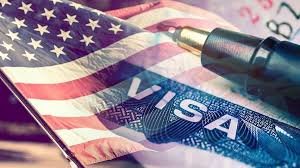 The countries include:
-
Afghanistan
-
Iran
-
Syria
-
Libya
-
Yemen
-
Sudan
-
Eritrea
-
Haiti
-
(And others on the official list)
Most applicants from these Countries are refugees, asylum seekers, or individuals who left their countries due to life-threatening circumstances. For many of them, the US immigration system represented their only hope for safety and stability.
Now, with the freeze in place, that hope is on pause.
Good News for India: Not on the Travel-Ban List
Amid the wave of concerns, one point of relief has emerged for Indian nationals: India is not included in the list of the 19 affected countries.
This means:
-
Green card applications from Indian applicants will continue to be processed.
-
H-1B and other work-visa processes remain unchanged.
-
Citizenship interviews and oath ceremonies for Indian applicants will proceed normally.
Given how competitive immigration pathways from India already are with long wait times and annual visa caps this development is significant. The freeze has not had any direct impact on Indian-origin communities. However, immigration experts advise Indian applicants to stay alert. Given that the US administration has hinted at an expanded travel ban in the coming months, any major geopolitical event could shift policies again.
How Are Immigrant Communities Reacting?
The reaction has been a mixture of fear, anger, disappointment, and confusion. Community centres in major US cities such as Houston, New York, Chicago, and Los Angeles reported a sudden influx of immigrants seeking clarification. Many individuals from the affected countries expressed emotional distress. Some have been waiting for years to be reunited with family members. Others are doctors, engineers, or researchers who have been contributing to the US workforce but now face uncertainty about their long-term status. Lawyers have described their offices as “flooded with calls” from people begging for answers.
One attorney shared that a client who had waited eight years for a green card interview received a cancellation email just two days before the scheduled appointment.
Why This Will Create Long-Term Backlogs
Every immigration freeze inevitably produces long-term consequences. Even a short suspension of interviews and case processing creates a pile-up that can take months or years to clear. Now imagine the situation for these 19 countries many of whom already had slow processing due to security checks.
Once the freeze is lifted:
-
Officers will first need to re-evaluate asylum approvals.
-
Old applications will need updating because background checks expire.
-
New applications would start piling up.
-
Interview slots, which were already limited, will be in even higher demand.
This means that when USCIS eventually resumes services, the backlog may be far worse than it is today.
What Happens Next?
At the moment, there is no clear timeline. Homeland Security officials have only said that this is the “first phase” of the vetting expansion.
What may come next?
1. Re-screening of immigrants already in the system
Even people who have been in the US legally for years may be asked to undergo additional background checks.
2. A wider travel-ban expansion
Officials have hinted that the list may be revised again raising concerns for other countries that might be added later.
3. Longer wait times for restored services
Once the freeze lifts, immigration offices will be overwhelmed with pending cases.
A Turning Point in US Immigration Policy
The immigration freeze has reopened an old debate how should the US balance its humanitarian commitments with national security concerns? While authorities insist the pause is temporary and essential for security, thousands of families now find themselves suddenly stuck, without answers or timelines. For communities from the affected 19 countries, the uncertainty is immense. For Indian applicants, the situation is calmer for now, but the evolving political climate means that nothing is guaranteed. As the US government prepares for another possible expansion of the travel-ban framework, one thing is clear: this decision will shape the immigration landscape for years to come. To know more Subscribe Jatininfo.in now.