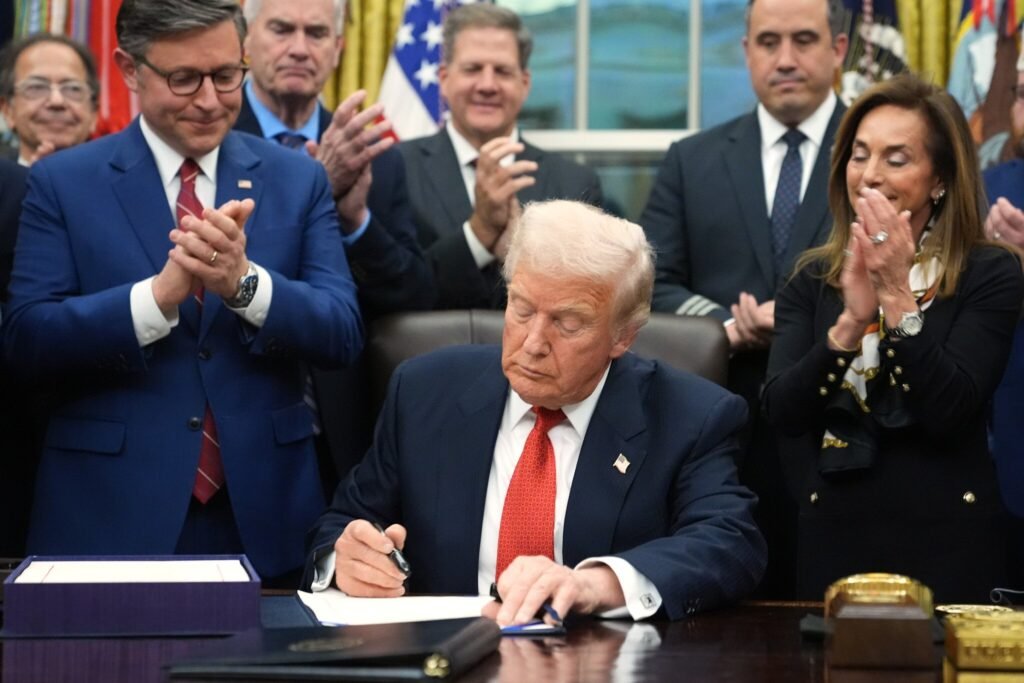
After 43 long days of political deadlock, exhausted federal workers, and growing public frustration, the United States government is finally open again. Late Wednesday night, President Donald Trump signed a bipartisan funding bill, officially ending what has now become one of the longest shutdowns in modern U.S. history.
The end brought a collective sigh of relief from Washington corridors to small towns where federal paychecks had stopped coming. For millions of Americans, it felt less like a victory for any political side and more like the restoration of normal life.
A Crisis That Grew Beyond Politics
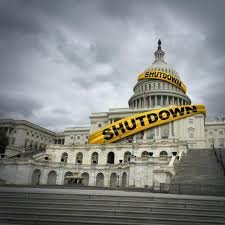 The shutdown began over what seemed, at first, to be a familiar Washington fight: disagreements about funding allocations, particularly border security spending. But as days turned into weeks, the argument stopped being about numbers and started representing something deeper a test of power, patience, and political endurance.
Trump insisted that his administration needed additional funding for border measures, saying it was “a matter of national security.” Democrats pushed back, claiming the money could be better directed toward education, healthcare, and infrastructure. The standoff spiraled, and before long, routine government functions began to collapse.
The Human Toll of a Political Standoff
When people talk about a government shutdown, it often sounds abstract until you meet someone directly affected. Hundreds of thousands of federal employees suddenly found themselves in limbo, uncertain about when they would be paid again.
For air traffic controllers, park rangers, scientists, and janitors in federal buildings, the shutdown meant working without pay or being sent home indefinitely. Many turned to community food banks. Others took temporary jobs to keep up with rent and bills.
A Transportation Security Administration (TSA) worker in Atlanta said, “We’re not pawns, but that’s how it feels.” Her words reflected a sentiment that spread across the country frustration not just at one party, but at the political process itself.
Pressure Mounts on Washington
By the fifth week, the tension in Washington was impossible to ignore. Airports began to experience delays as unpaid TSA officers called in sick. National parks were littered with trash. Small contractors who depended on federal projects were forced to shut their doors.
The U.S. economy started to wobble. Analysts estimated the shutdown was draining nearly $400 million per day, and by the time it ended, the total loss had crossed $20 billion roughly equal to the annual budget of some smaller federal departments.
Both parties started feeling the heat. Approval ratings for Congress fell sharply. Even some of Trump’s long-time supporters expressed fatigue, urging the administration to reach a compromise.
Behind closed doors, discussions began to shift from “who wins” to “how we stop the damage.”
The Turning Point
By early November, quiet negotiations had resumed between key members of both parties. A temporary truce was discussed — one that would reopen the government while allowing talks on border security to continue.
Insiders say Trump was briefed on the economic toll and the political risk of extending the crisis. His aides emphasized that the standoff had begun to overshadow his broader agenda.
On the evening of November 12, the President agreed to sign the compromise bill. It wasn’t the victory speech he had once envisioned, but it was a decision the country desperately needed.
The Moment of Relief
Inside the Oval Office, President Trump signed the funding bill surrounded by senior officials and a small group of lawmakers. The tone was noticeably subdued. “We’re putting America back to work,” he said, adding that “sometimes you have to pause the fight to move forward.”
Across Washington, the response was swift. Federal websites started coming back online. Workers received emails confirming their return to duty. For many Americans, it was a moment of quiet gratitude the end of a storm that had gone on far too long.
Political Reactions
Democrats framed the outcome as a necessary correction. Senate Majority Leader Chuck Schumer stated, “This shutdown was never about security. It was about stubbornness. Families suffered unnecessarily, and we hope this will be a lesson in responsibility.”
Republicans, meanwhile, presented it as a strategic pause rather than a retreat. Speaker Mike Johnson said the deal “keeps America safe and moves the conversation forward in a constructive way.”
In truth, there were no clear winners only a weary public relieved to see the government functioning again.
Economic and Social Impact
Though federal employees will receive back pay, the wider effects may linger for months. Small businesses that relied on government contracts won’t recover lost income. Families who missed paychecks will spend months catching up on bills.
Economists predict a short-term rebound but warn of lasting erosion in public confidence. “The economy can handle a shutdown,” one analyst said, “but the people can’t handle being forgotten.”
The U.S. Chamber of Commerce urged lawmakers to develop “automatic funding mechanisms” to prevent such crises in the future ensuring that government operations never again stop due to political disputes.
A Reflection of a Divided Era
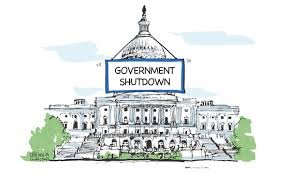 Beyond the figures and political theater, this shutdown was a mirror reflecting America’s deeper divisions. It showed how a disagreement over one issue can paralyze an entire system. It revealed how both parties, despite their differences, ultimately depend on compromise to keep the nation moving.
Citizens grew increasingly vocal about wanting leaders to cooperate, not compete. Social media was filled with frustration but also solidarity people donating food to federal workers, local businesses offering free meals, and strangers helping strangers.
In a time of political cynicism, that display of humanity stood out.
Political historians may one day look at this shutdown as a turning point not just for the Trump administration, but for how America handles disagreement. The cost was high, but so was the lesson: the machinery of democracy works best when those steering it remember who it serves.
Lawmakers from both sides are already proposing reforms, such as automatic continuing resolutions, to prevent future shutdowns. It’s a practical idea born out of a deeply emotional experience.
What Comes Next
With the shutdown behind him, Trump now faces the task of rebuilding public trust. The administration is expected to refocus on economic growth, infrastructure, and national security issues that resonate strongly with voters.
Political analysts believe the decision to end the shutdown could help Trump regain some moderate support. However, the lingering question remains: how long before the next fiscal confrontation?
For now, the White House has signaled that cooperation is back on the table. Whether that holds true will depend on what happens in the next budget cycle.
A Country Ready to Move Forward
As offices reopen, paychecks resume, and the daily rhythm of government returns, America is once again reminded that progress and politics are rarely the same thing.
The shutdown was a national pause a costly, frustrating, and humbling one but also a reminder that compromise, though difficult, is the foundation of democracy.
For the millions who endured the 43 days of silence from their own government, the sound of printers humming in federal buildings again is more than bureaucratic noise. It’s the sound of a country getting back to work.
In the end, this wasn’t a story about victory or defeat. It was about endurance of workers who kept showing up, families who kept believing, and citizens who refused to let politics crush their spirit.
The shutdown of 2025 will be remembered not just as a political standoff but as a moment when Americans, despite frustration, proved their resilience once again. To know more subscribe Jatininfo.in now.