On the evening of 10 November 2025, a powerful explosion ripped through a car stopped near the Delhi Red Fort Metro station in Old Delhi. The blast killed several people, injured many more, and sent shockwaves through the capital physically, politically and emotionally. Within hours, security agencies converged on the scene, emergency services evacuated the wounded, and investigators began trying to separate fact from speculation in a case that, from the outset, has raised the specter of organized terror with possible cross-border links.
This post brings together what is known so far the immediate aftermath of the blast, official statements from the Home Minister and the Prime Minister, actions taken by Delhi Police and central agencies, and the developing case around Dr. Umar Nabi and his alleged partners. All reported facts below are sourced to major news outlets and official statements; the probe itself remains active and many details are subject to revision as forensic work continues.
The explosion and immediate aftermath
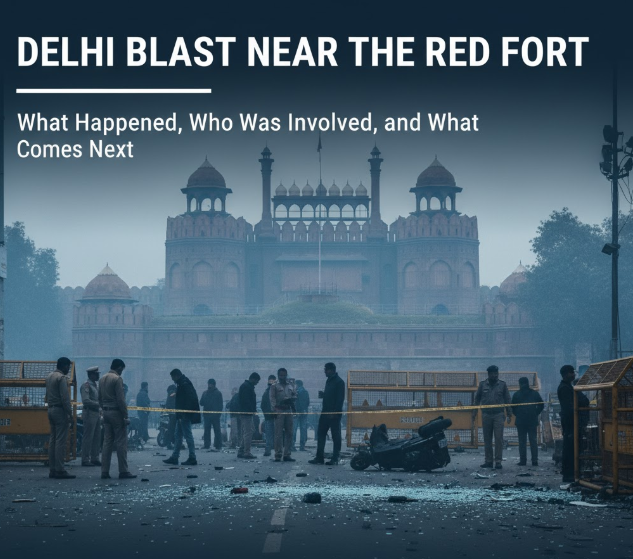
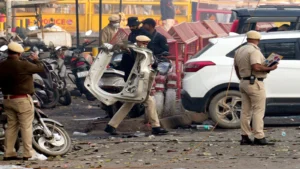 The blast occurred at around evening rush hour near Gate 1 of the Red Fort Metro station, at a signal where traffic had slowed. Local television and eyewitness footage captured a white Hyundai i20 in flames and multiple vehicles ablaze nearby. Hospitals in the area reported dozens of injured people arriving in a short span, and the early death toll announced by authorities varied as rescue teams worked through the night. Major outlets reported at least eight to nine fatalities and scores injured in the first 24 hours.
Emergency responders fire services, ambulances and police reached the site quickly and moved victims to nearby trauma centres. Officials cordoned off the area, recovered debris and began collecting CCTV footage from the vicinity. Early forensic observations noted an explosion powerful enough to destroy the car and shatter windows across the street, yet investigators said they had not found a conventional crater or clear shrapnel patterns typical of large military-grade shelling, an observation that informed initial lines of inquiry.
Who were the victims?
Delhi Hospitals released lists of those treated and, in some cases, the names of the deceased. Reporting compiled by hospital sources and local media identified two of the deceased by name: Ashok Kumar (34), a Delhi Transport Corporation (DTC) conductor from Amroha, Uttar Pradesh, and Amar Kataria (35), a Delhi resident. Medical records and hospital lists published by major newspapers showed a wider roster of 20–30 people treated for injuries ranging from burns to blast trauma; several others were listed as unidentified or as body parts recovered at the scene while identification continued. Authorities have said next-of-kin notifications and formal identification processes are underway.
What Home Minister Amit Shah and Prime Minister Narendra Modi said
From the early hours after the blast, the incident was treated as a national security matter. Home Minister Amit Shah visited the Delhi blast site and said that “all angles” were being probed and that security agencies had been mobilized to follow up every lead. He announced that specialised forensic and counter-terror teams, including the National Investigation Agency (NIA) and National Security Guard (NSG) assets, were being engaged as part of a comprehensive response. Shah underscored the need for patience while forensic teams did their work and cautioned against unverified information spreading on social media.
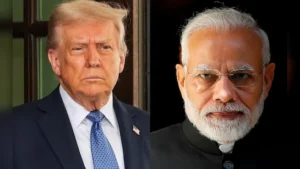
Prime Minister Narendra Modi was briefed by Home Ministry officials and senior security chiefs. The Prime Minister expressed condolences to the families of the Delhi bomb blast victims and said the government would ensure every possible step is taken to bring perpetrators to justice. The Prime Minister’s office and government spokespeople asked citizens to cooperate with law enforcement and to avoid amplification of rumours that could hinder the investigation.
Delhi Police response and legal steps
Delhi Police moved quickly to secure the scene, seize forensic evidence and begin tracing the vehicle and its ownership. Police statements indicated the i20 had been moving slowly and stopped at the signal when the blast occurred; CCTV footage shows the vehicle at the traffic point minutes earlier. Authorities registered a case under serious penal statutes, including provisions of the Unlawful Activities (Prevention) Act (UAPA) and sections of the Explosives Act as the probe widened from accident to possible terror incident. Delhi Police also called in central agencies to assist with technical forensics and intelligence leads.
Investigators traced the vehicle’s registration and ownership trail, noting multiple transfers and a trail that led, at least in part, to Jammu & Kashmir. The owner of the vehicle was detained for questioning in the immediate aftermath while police worked to identify other persons of interest. Police also warned the public to treat official updates as authoritative and to refrain from sharing unverified material.
The emerging trail to Jammu & Kashmir and the Faridabad explosives haul
Within a day, investigators began to connect the Red Fort blast to a broader investigation that had earlier yielded a massive seizure of explosive material in Faridabad and related arrests. Local and national media reported that a separate probe had uncovered nearly three tonnes of explosives and other materials in a network that spanned parts of the National Capital Region and Jammu & Kashmir; arrests in that case included medical professionals allegedly tied to the cache. Authorities said they were examining whether the Red Fort car and its ownership chain had links to the same module.
That lead focused attention on a group of suspects suspected of forming a “white-collar” procurement and logistics chain for explosives, with alleged handlers and facilitators located across state lines. Officials cautioned that while the connections were being actively explored, investigations were ongoing and public communication would be calibrated to avoid compromising operations.
Dr. Umar Nabi: allegations, arrest reports and associates
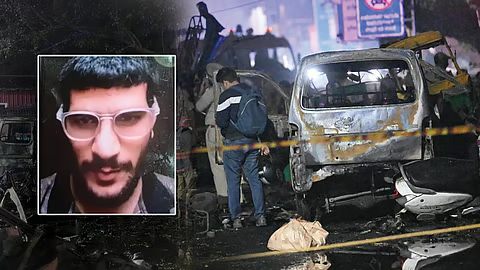 Among the names that surfaced in the probe was Dr. Umar Nabi, reported in multiple outlets as a person of interest linked to the wider Faridabad explosives case and to personnel ties in Jammu & Kashmir. Reporting suggests Dr Umar (sometimes referenced with slightly varied surname spellings in early dispatches) had worked at a medical institute and that some of his colleagues and relatives were under scrutiny. A number of medical practitioners in the Faridabad-linked case were detained by authorities in earlier operations, and investigators said they were expanding searches to identify all those connected to the seizure and to trace any operational links to the Red Fort incident.
Multiple outlets reported arrests of doctors and associates in connection with the Faridabad explosives sting; some reports said a doctor had been arrested in the earlier operation and that Dr Umar (Nabi) was being sought or questioned by Jammu & Kashmir police. Local police said they had detained family members of persons named in the probe for questioning. Authorities have not yet, at the time of reporting, produced a final charge sheet linking any one named individual personally to the Red Fort blast; the NIA was reported to be involved to consolidate evidence if a terror angle is confirmed.
What investigators have said about the device and motive
Forensic teams at the scene took samples and said early indications did not show the classic patterns of large-calibre military ordnance or a massive crater. That has pushed investigators to consider multiple possibilities, from an IED (improvised explosive device) assembled with commercial explosives to a targeted suicide attack, depending on forensic findings such as traces of specific explosive compounds, wiring, or biological evidence. Investigative agencies are also reviewing mobile and telecom data, financial transactions related to the vehicle, and CCTV across routes leading to the Delhi bomb blast site.
National security posture and public advisories
The Delhi blast prompted an immediate nationwide alert in major urban centres and transport hubs. Authorities put Delhi airports, metro networks and key government buildings on heightened alert, and foreign missions issued advisory notices to their citizens in India. The Intelligence Bureau and other central agencies fed updates to state governments as police stepped up patrols in public places and intensified vehicle checks. Officials repeatedly appealed for calm and urged citizens to report suspicious behaviour.
Where the investigation stands and what to watch for next
As of the latest official updates, investigators say:
• The scene remains under forensic examination and multiple samples are still being analysed;
• The ownership and transaction history of the Hyundai i20 are being traced across states;
• Detentions and questioning are ongoing in several jurisdictions, including Jammu & Kashmir and Haryana;
• Agencies are exploring whether the Faridabad explosives cache and the Delhi Red Fort blast are operationally linked;
• If a terror link is established, the NIA is expected to take an overarching role in the case.
What the public should expect in the next 48–72 hours is more targeted briefings from police and central agencies as forensic results arrive, named arrests if probable cause is established, and official confirmation whether the blast is being treated as a terror attack or a different form of sabotage.
The Delhi Red Fort blast is a grim reminder of the vulnerability of crowded urban spaces and heritage precincts. The human toll lives cut short and families in mourning is the foremost tragedy. The unfolding investigation, with its reported links to a wider explosives network and allegations involving individuals tied to Jammu & Kashmir, shows how complex and cross-jurisdictional modern terror probes can be.
Officials have pledged a full, transparent probe while urging restraint from the public and the media. For families of victims and survivors, immediate needs are medical care and psychological support; for security agencies, the task is building an evidentiary chain that can withstand legal scrutiny. For Delhi citizens and visitors, vigilance and patience remain the simplest ways to help.
As evidence is examined and lawful processes play out, responsible reporting and calm public behaviour will be critical. I will update this space as official confirmations arrive and as investigators make formal statements. To know more subscribe Jatininfo.in now.