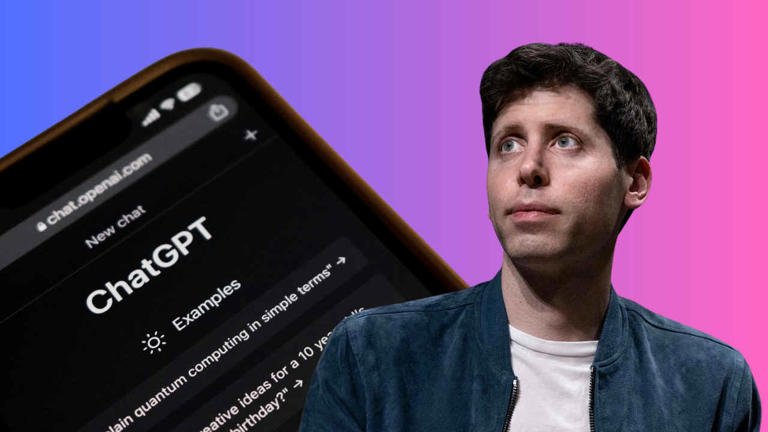
For a company that built its reputation on trust, transparency, and user experience, OpenAI found itself in unfamiliar territory this week. What began as a handful of surprised users sharing screenshots of brand recommendations inside ChatGPT quickly spiralled into an online uproar. Paying subscribers many of whom trust ChatGPT for work, studies, and even confidential projects were convinced the platform had quietly begun showing ads.
Some said they spotted references to Peloton. Others saw product-style suggestions that looked suspiciously close to sponsored mentions. Within hours, social media was ablaze with accusations: OpenAI sold out. ChatGPT is turning into a marketing engine. Paid users are being served ads.
It didn’t help that the AI industry is already under heavy scrutiny. Every new feature is watched closely, every hint of commercialisation dissected. So when users felt even the slightest shift in ChatGPT’s voice, outrage was almost guaranteed. But as the noise grew louder, OpenAI stepped in to set the record straight and the real story turned out to be far more nuanced than an ad rollout gone wrong.
What Users Thought They Saw
 The controversy began when subscribers posted screenshots showing ChatGPT recommending certain companies and products while answering their prompts. Nothing blatantly promotional no flashy banners or buy-buttons but subtle suggestions embedded in the conversation. Just enough to trigger suspicion.
People immediately assumed OpenAI had:
-
started testing in-chat advertisements
-
begun inserting brand partnerships
-
rolled out promotions without consent
-
targeted paying users with commercial messages
The reason the reaction was so strong is simple: ChatGPT is one of the few tech spaces users still feel safe from hyper-targeted advertising. When people pay for ChatGPT Plus, Pro, or Team plans, they expect an ad-free, distraction-free environment. Anything hinting at ads feels like a breach of that unwritten contract.
OpenAI Responds: “These Are Not Ads.”
Facing a growing storm of criticism, OpenAI released a clarification. And the answer caught many off guard. According to the company, the suspicious “recommendations” weren’t ads at all. They weren’t sponsored. No brands had paid for them. No ad campaigns were running. Instead, the messages were part of an internal experiment meant to highlight third-party apps built on top of the ChatGPT platform tools released during OpenAI’s new ecosystem expansion in October. The issue wasn’t the intention OpenAI had no plans to advertise. The problem was the execution. The suggestions looked like ads. And that alone was enough to trigger a backlash.
Nick Turley, who leads ChatGPT, tried to calm the chaos, stating openly that:
-
OpenAI is not running ads
-
There are no ad experiments in progress
-
Any screenshots circulating are misunderstandings or misinterpretations
He emphasised that if OpenAI ever did explore ads in the future, it would take “a thoughtful and transparent approach.”
But then came another voice one that added an unexpected twist.
A Second Perspective: “Yes, They Looked Like Ads. And That’s On Us.”
Mark Chen, OpenAI’s Chief Research Officer, offered a more candid explanation. He acknowledged that:
-
Some suggestions resembled promotional messaging
-
The model generated them in a way that was “less than ideal”
-
Users had every right to feel confused
That admission mattered. It wasn’t an excuse it was an acknowledgement of oversight.
Chen also revealed that OpenAI had completely disabled these suggestion types until the team could rethink how to present them more responsibly. The company is now working on giving users more control, including the ability to reduce or shut off such recommendations entirely. This small detail the promise of granular user control hinted at something bigger: OpenAI knows the trust of paying users is fragile.
One wrong move, one miscommunicated experiment, and the relationship can fray.
Why People Reacted So Strongly
To understand the uproar, it helps to zoom out and look at the landscape. Users today already feel overwhelmed by:
-
endless targeted ads
-
algorithm-driven nudges
-
data tracking concerns
-
“personalised suggestions” that don’t benefit them
-
tech companies silently shifting from product to monetisation
ChatGPT has, until now, been a rare exception a tool you pay for because you don’t want ads or manipulative suggestions.
So when ChatGPT began mentioning brands, no matter the context, people felt a line had been crossed. Even if unintentionally.
The situation tapped into deeper public anxieties:
-
Is AI being commercialised too quickly?
-
Are models being trained to embed ads into natural conversation?
-
Is AI going to become another platform where advertising hijacks the experience?
For a tech that can generate anything from stories to code to personal advice the idea of hidden advertising feels especially sinister.
OpenAI’s Business Strategy Is Clearly Changing
 There’s another layer to this story one that explains why users were quick to believe the allegations.
In recent months, OpenAI has been quietly laying the foundation for an advertising-supported business model.
-
The company hired Fidji Simo a former Facebook and Instacart executive well known for her expertise in ads and commerce.
-
Multiple reports, including from The Wall Street Journal, described internal efforts to explore ad-based monetisation.
-
According to the WSJ, OpenAI even declared “Code Red” internally, pushing teams to focus on improving ChatGPT’s quality before expanding into new areas like advertising.
So when brand-like suggestions appeared inside ChatGPT, even innocently, users connected the dots. In their eyes, OpenAI’s experiment wasn’t a glitch it was a soft launch. Fair or not, perception matters.
The Lesson OpenAI Learned the Hard Way
OpenAI’s swift retreat from this experiment sends a clear message:
users do not want ads sneaking into AI conversations.
Especially not:
-
hidden
-
subtle
-
experimental
-
unannounced
-
or vague enough to look like paid promotions
The company misjudged how sensitive people have become to commercialisation in AI. Even without real ads, even with good intentions, the optics were bad.
Trust, once shaken, is hard to rebuild.
Why This Moment Matters for the Future of AI
The broader industry is watching this episode closely. Because it raises bigger questions about:
1. What will AI assistants look like when they become mainstream?
Will they recommend hotels?
Suggest brands?
Search for products?
Negotiate deals on our behalf?
If so, how do we ensure those suggestions aren’t influenced by hidden commercial relationships?
2. Will ads eventually appear in AI platforms?
It seems almost inevitable.
But how it happens will determine how users react.
3. Can AI companies maintain trust while still growing?
This is the real challenge. AI is expensive to build and run. Companies need revenue. But trust is their most valuable currency. And this controversy shows just how quickly that trust can be put at risk.
What Happens Next?
For now, OpenAI has made three moves:
-
Disabled the suggestion feature entirely
-
Started working on clearer user controls
-
Reinforced that no paid ads are running
But the long-term answer is more complex.
OpenAI is clearly grappling with how to balance:
-
free access
-
paid tiers
-
future monetisation
-
user expectations
-
and the need to keep ChatGPT valuable
It’s likely that ChatGPT will eventually incorporate some form of suggestions, product recommendations, or app integrations—but they will need to be:
-
transparent
-
optional
-
clearly labelled
-
and designed with user consent at the centre
Anything less will result in another backlash.
A Turning Point for AI Companies
The uproar over what looked like ads may seem like a minor product blip on the surface. But in reality, it reflects something much deeper:
people want AI to stay pure, useful, and free from commercial manipulation.
AI has entered an intimate space our chats, our writing, our research, our work. People are not ready to see this space invaded by advertising, even subtly. OpenAI now understands this more clearly than ever. And the rest of the industry is paying attention. The confusion over ChatGPT “ads” wasn’t really about Peloton, or screenshots, or experimental suggestions. It was about trust. Users feared a future where AI systems blur the line between helpful and commercial, where recommendations feel less like support and more like influence.
OpenAI’s willingness to admit the mistake, shut down the feature, and reconsider its approach shows that the company understands the stakes.
The message from users was loud and clear:
If AI is going to be woven into daily life, it must stay honest.
No hidden ads.
No quiet experiments.
No blurred lines.
And for now, at least, OpenAI seems to be listening. To know more subscribe Jatininfo.in now.