
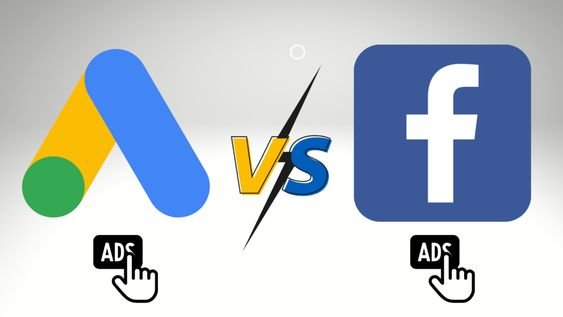
In today’s digital-first world, small businesses no longer depend only on word of mouth or local posters to grow. Instead, they rely on digital marketing platforms to reach their customers online. Among the most popular options are Facebook Ads and Google Ads two advertising giants that dominate the online ad space.
But the real question every small business owner asks is:
“Which platform works better for me Facebook Ads or Google Ads?”
The answer isn’t as simple as picking one over the other. Each platform has its strengths, weaknesses, and unique ways to attract potential customers. This blog will break down both ad platforms in detail explaining how they work, their pros and cons, costs, and real-world examples to help you decide which one is the best fit for your business.
Understanding the Basics
Before comparing, let’s understand what each platform does.
What Are Facebook Ads?
Facebook Ads (now part of Meta Ads) allow you to promote your business across the Meta ecosystem including Facebook, Instagram, Messenger, and the Audience Network. These ads appear in users’ feeds, stories, and videos, blending naturally into their social experience.
Facebook Ads are interest-based meaning they target people based on demographics, interests, and behaviors. So, if you own a café in Indore, you can target coffee lovers aged 18–35 within a 5-km radius of your shop.
What Are Google Ads?
Google Ads, formerly known as Google AdWords, allow you to show ads across Google’s massive network including Search, Display, YouTube, and Shopping.
Google Ads are intent-based, which means they target people actively searching for something. For example, if someone types “best digital marketing agency in Indore,” your ad can appear right when they’re ready to make a decision.
Facebook Ads vs Google Ads: Key Differences
| Feature | Facebook Ads | Google Ads |
| Ad Type | Visual (images, videos, stories) | Text-based and visual (search, display, video) |
| Targeting | Interests, demographics, behavior | Search intent, keywords |
| Audience Stage | Top & Middle of funnel (brand awareness, engagement) | Bottom of funnel (purchase intent) |
| Cost Model | CPC or CPM | CPC or CPA |
| Platforms | Facebook, Instagram, Messenger | Google Search, YouTube, Display Network |
| Best For | Building brand awareness & social following | Driving direct conversions & sales |
How Facebook Ads Help Small Businesses
 Facebook Ads are often the go-to option for small businesses that want to build awareness and connect emotionally with their audience.
-
Powerful Audience Targeting
Facebook allows advertisers to target users based on:
- Age, gender, and location
- Interests (e.g., “fitness lovers,” “travel enthusiasts”)
- Behaviors (e.g., “frequent online shoppers”)
- Life events (birthdays, anniversaries, moving cities)
You can even create Lookalike Audiences targeting new people similar to your best existing customers.
For example, a boutique in Indore can run ads targeting women aged 20–40 who follow fashion pages and live within 10 km of the store.
-
Affordable for Beginners
Compared to Google Ads, Facebook’s average cost-per-click (CPC) is lower.
Small businesses with limited budgets can start with as little as ₹300–₹500 per day, making it beginner-friendly.
-
Creative Ad Formats
Facebook Ads thrive on visuals from videos and carousels to stories and reels. These formats are perfect for showcasing products, testimonials, or offers.
Example: A local bakery could post a 10-second video showing freshly baked cupcakes, with a “Message Now” button for instant orders.
-
Strong Retargeting Options
Facebook’s pixel allows you to track users who visited your website and retarget them with specific ads for example, showing an ad with “20% off” to users who viewed your product but didn’t buy.
-
Brand Building & Engagement
Facebook Ads not only bring traffic but also help you build a community. Likes, shares, comments, and followers increase brand trust — something Google Ads doesn’t directly provide.
How Google Ads Help Small Businesses
 Google Ads work best when your audience is actively looking for what you offer.
-
High-Intent Targeting
Unlike Facebook users who may not be shopping, Google users are searching with purpose.
If someone types “best SEO services in Indore,” they’re already interested and probably ready to buy.
That’s why Google Ads usually deliver higher conversion rates for businesses offering specific products or services.
-
Multiple Campaign Types
Google Ads isn’t limited to search. You can use:
- Search Ads – Appear on Google search results.
- Display Ads – Banner ads across websites.
- Shopping Ads – For eCommerce products.
- YouTube Ads – Video ads before or during videos.
- App Ads – For promoting mobile apps.
So, whether you run a salon, coaching institute, or clothing store, there’s a format that fits your goals.
-
Pay Only When They Click
Google Ads run mostly on the pay-per-click (PPC) model. You only pay when someone clicks your ad not for impressions ensuring better return on investment.
-
Detailed Data & Analytics
Google provides in-depth insights about:
- Which keywords convert best
- Which ads bring most clicks
- Cost per acquisition (CPA)
- Conversion tracking
This data helps you make smarter budget decisions.
-
Faster Results
While SEO takes months to show results, Google Ads bring instant traffic. Perfect for new small businesses that want immediate visibility.
Cost Comparison: Facebook Ads vs Google Ads
| Ad Platform | Average CPC (India) | Budget Suggestion | ROI Potential |
| Facebook Ads | ₹2 – ₹10 per click | ₹300 – ₹800/day | High for brand awareness & engagement |
| Google Ads | ₹10 – ₹50 per click | ₹700 – ₹1500/day | High for sales & leads |
While Facebook is cheaper per click, Google often delivers more qualified leads, meaning people closer to making a purchase.
When to Use Facebook Ads
✅ You’re launching a new brand or product.
✅ You want to grow followers and engagement.
✅ You sell visual or lifestyle products (fashion, food, decor).
✅ Your target audience spends time on Facebook/Instagram.
✅ You have a small budget but want to create awareness fast.
Example:
A café in Indore uses Facebook Ads to promote its new dessert menu through reels and carousel ads. People engage, comment, and visit the café — boosting offline sales.
When to Use Google Ads
✅ You want direct sales or leads.
✅ You sell high-intent services (plumbing, education, real estate, etc.).
✅ You want measurable ROI and faster results.
✅ You can handle competition on keywords.
✅ You want to appear in Google’s top results immediately.
Example:
A digital marketing agency runs Google Ads targeting “digital marketing company in Indore.” People searching that phrase click their ad and contact them for services resulting in direct conversions.
The Best Strategy
The smartest businesses don’t choose either Google or Facebook they use both strategically.
Here’s how:
- Use Google Ads to capture high-intent leads.
- Use Facebook Ads to retarget those leads and build brand recall.
- Create custom audiences from Google traffic and show them follow-up offers on Facebook.
For example, a fitness center can:
- Run Google Ads for “gym membership in Indore.”
- Then retarget visitors on Facebook with “50% off on annual membership” ads.
This two-platform approach builds awareness and drives conversions.
Pros and Cons Summary
| Platform | Pros | Cons |
| Facebook Ads | Affordable, highly visual, great targeting, brand awareness | Users aren’t always ready to buy, limited search intent |
| Google Ads | High purchase intent, measurable ROI, fast results | More expensive, competitive keywords |
Final Verdict: Which One Works Better for Small Businesses?
If your business is new, visually appealing, or lifestyle-based, start with Facebook Ads. It’s affordable and helps you build brand identity fast.
If your business offers specific services or products that people search for, such as “plumbers,” “marketing agencies,” or “lawyers,” go for Google Ads for direct results.
But ideally, the combination of both gives the best outcomes:
- Google Ads = Get the lead.
- Facebook Ads = Nurture the lead.
When both platforms work together, small businesses can maximize visibility, traffic, and revenue without breaking the bank.
Both Facebook Ads and Google Ads are powerful in their own ways. The best choice depends on your goals, budget, and audience behavior.
Small businesses in cities like Indore, Bhopal, or Pune have seen tremendous results using both platforms smartly running awareness campaigns on Facebook and conversion campaigns on Google.
At the end of the day, the right ad platform isn’t about where you advertise, but how well you connect with your audience.
So test, analyze, and optimize because digital marketing success is all about strategy, not just spending. To know more Subscribe Jatininfo.in now.